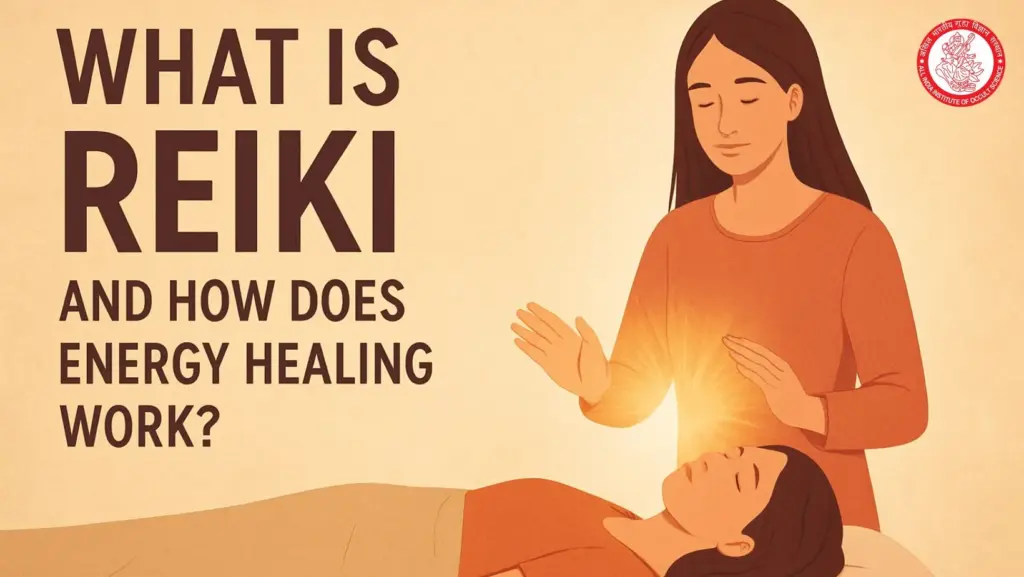
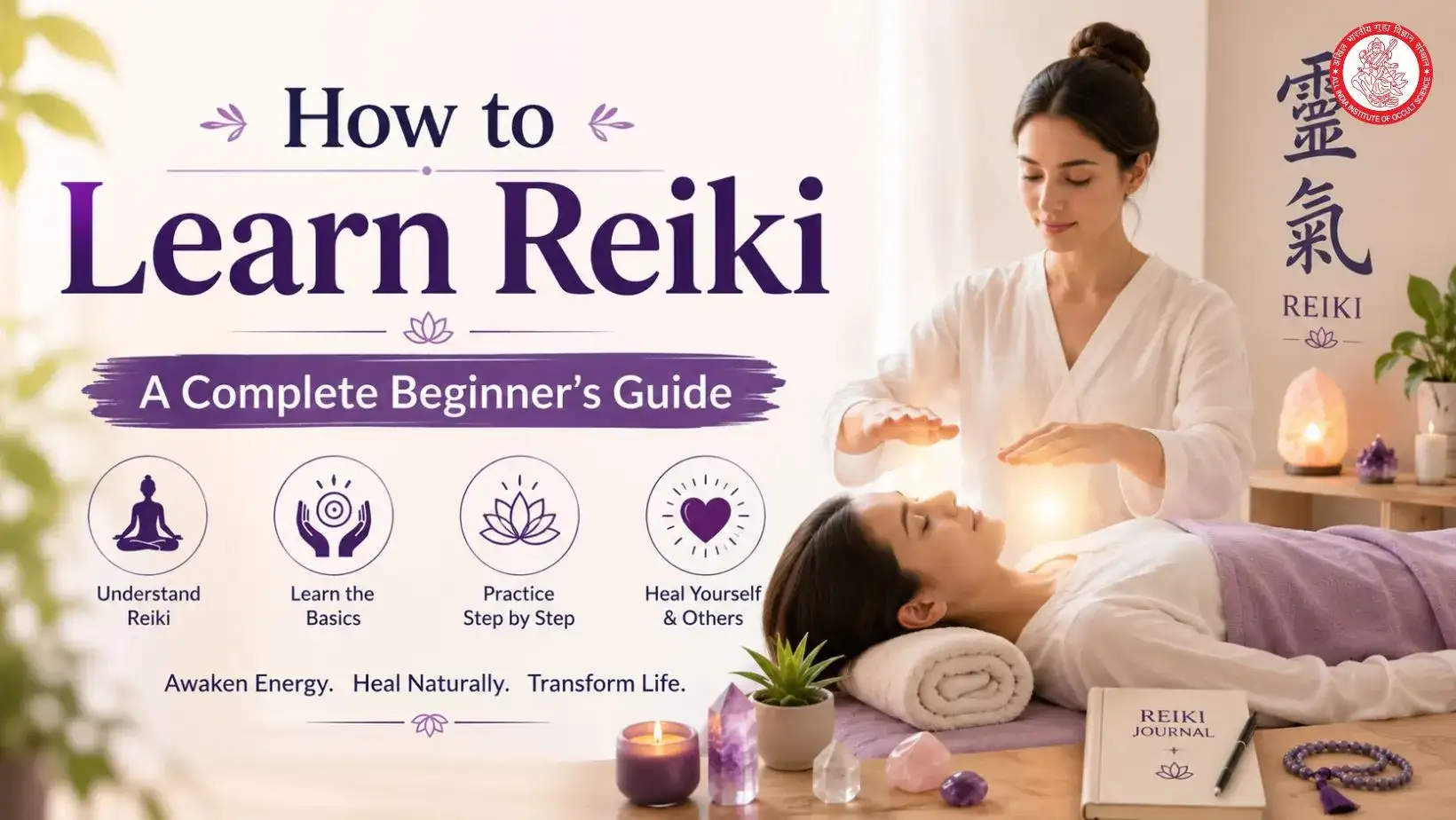
Reiki is a japanese technique of healing that channels energy for physical, emotional and spiritual well being of an individual. It is widely used across the world, practiced in hospitals, wellness centers, homes, and healing institutes. If you ever had a thought to learn reiki, this guide is the right place. Here you will get to know reiki, the steps, resources and practices to start your journey.
What is Reiki? History, Benefits, and How It Works
Before you begin learning, you need to know what you're actually getting into, not just the surface level stuff.
-
Origin: Reiki is a Japanese healing practice, developed by Mikao Usui in the early 1900s.
-
Purpose: It balances the energy in your body and supports healing - physically, mentally and emotionally.
-
How it works: Practitioners use hand placements to channel healing energy, either to themselves or to others.
Learn the 5 Reiki Principles for Beginners
Reiki is built on five core principles that guide your practice:
-
Just for today, I will release angry thoughts from my brain
-
Just for today, I will release the thoughts that make me worry.
-
Just for today, I will be grateful for my life and the things I have.
-
Just for today, I will finish my work honestly.
-
Just for today, I will be kind to all beings including myself.
These principles are not just something you read once and forget. They are actually the base of everything in Reiki: how you think, how you carry yourself, how your energy shows up when you're practicing. A lot of people treat them like a nice little motivational quote and move on. But the practitioners who actually get good at Reiki? They live by these daily. Even on the days it feels hard. Especially on those days.
How to Choose the Best Reiki Learning Method (In-person, Online, or Self-study)
There are three main ways to learn Reiki and honestly all three have their place, just depending on what works for you.
-
In-person classes are the most traditional way to go. You get hands-on guidance from a certified Reiki master, real time feedback, and the option of either small group or private sessions. If you can find a good teacher near you, this is genuinely the best starting point.
-
Online courses are great if your schedule doesn't allow for in person classes. A lot of instructors now offer live sessions and video demonstrations so it's not just you watching pre-recorded content alone. You learn at your own pace and honestly have access to teachers from all over the world which is a big plus.
-
Self-study through books and videos - this one is good for when you're just starting to explore and want to understand the basics before committing to anything. Low cost, flexible, lots of different perspectives to learn from. Just keep in mind it works best when combined with actual guided practice later on, not as a replacement for it.
Understanding Reiki Levels: Level 1, 2, and Master
Reiki is taught in three levels:
1. Level 1 (First Degree):
The first level of learning Reiki starts with you, it is a section where you learn to be present with yourself. In this level you receive your first attunement, learn specific hand positions for different parts of the body, and begin a daily self-practice. A Level 1 workshop usually runs over one to two days, and after that, just twenty minutes of daily practice is enough to feel the shift.
2. Level 2 (Second Degree):
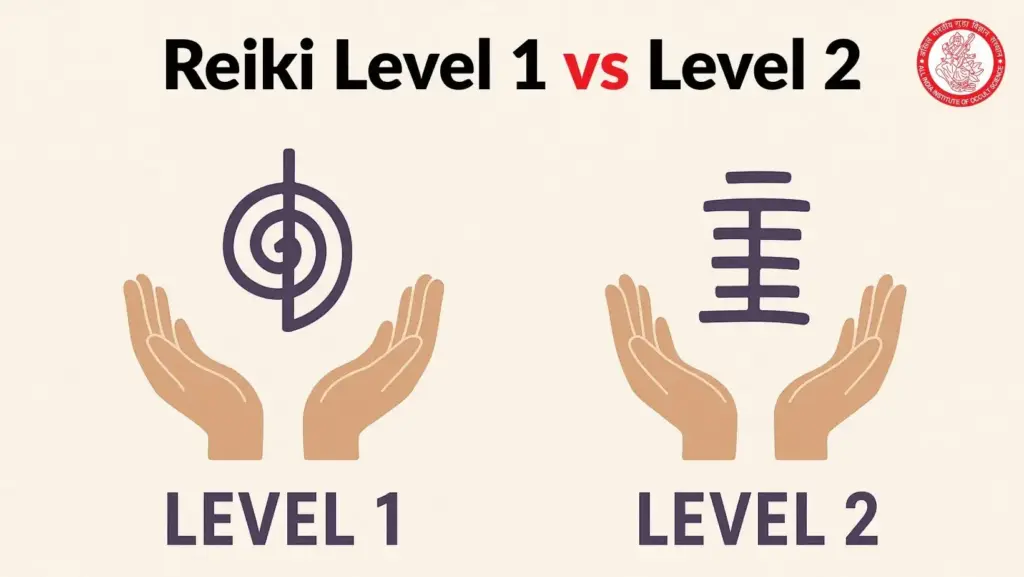
At Level 2, the practice doesn't just stay with you, now it expands to others also . At this level you are introduced to Reiki symbols -ancient glyphs that help sharpen and direct the energy.
And then you also learn a very surprising level of healing - Distance healing is the ability to send Reiki to someone who is not physically present in the same room as you. Energy does not follow the same rules as the physical world, and at this stage, you begin to experience that directly rather than just reading about it
Also Read: Reiki Level 1 vs Level 2: What's the Difference?
3. Level 3 (Master Level):
Becoming a Reiki Master is a real commitment. At this level you are no longer just practicing Reiki - you can now actualy teach it, and give attunements to others. It is a gift, but it comes with responsibility too.
This is not a level you rush toward. Many practitioners spend months, sometimes even years at Level 2 before they feel ready to move ahead. But when the time is right, the Master level is one of the most profound things a person can experience on this path.
And almost everyone starts with Level 1, which is exactly where you should start too. Don't skip ahead, just take it one level at a time with proper guidance from a master.
Daily Reiki Practice: Techniques and Tips for Beginners
Always keep time for practice daily if you can, weekly at the minimum. Start practicing Reiki with yourself first, practice it on your own body, get comfortable with how energy feels before you offer it to anyone else.
Then slowly extend it to family or friends. And keep a small journal, just note down what you felt, what shifted, what was different that day. You'll thank yourself for it later.
Also one thing worth saying here: consistent practice matters way more than rushing through levels. Take your time.
Joining a Reiki Community: Why Support Matters
Don't do this alone if you don't have to. Join a local Reiki group, attend practice circles, get into online forums where people are actually talking about their experiences. Learning alongside others makes a real difference - you grow faster, you stay motivated, and honestly it's just more fun that way.
Reiki Safety Tips and Common Mistakes to Avoid
Always learn from certified instructors, that part is non negotiable. Avoid shortcuts because Reiki genuinely requires time and patience, there's no way around that. Stay open minded but also know your own limits. And if you can, combine your Reiki practice with meditation or mindfulness, the two go really well together.
If you're looking for structured, proper training, All India Institute of Reiki is one place worth looking into.
Ready to Begin?
Reiki is one of those things that gives back exactly what you put into it. The more honestly you practice, the more you'll feel it working in yourself first, and then in the people around you. Start small, stay consistent, find your people, and just keep going. Your journey into energy healing starts right here.