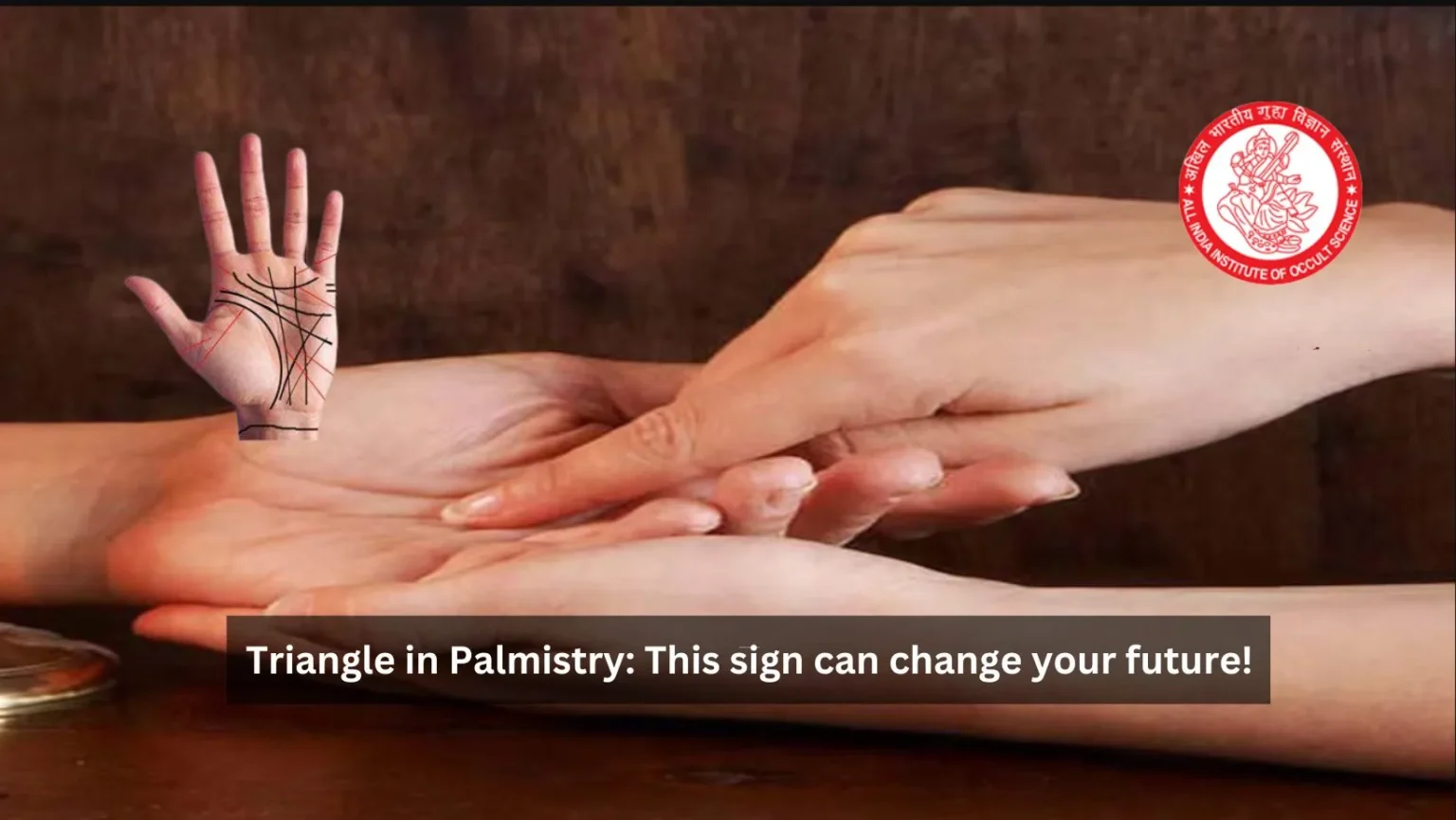
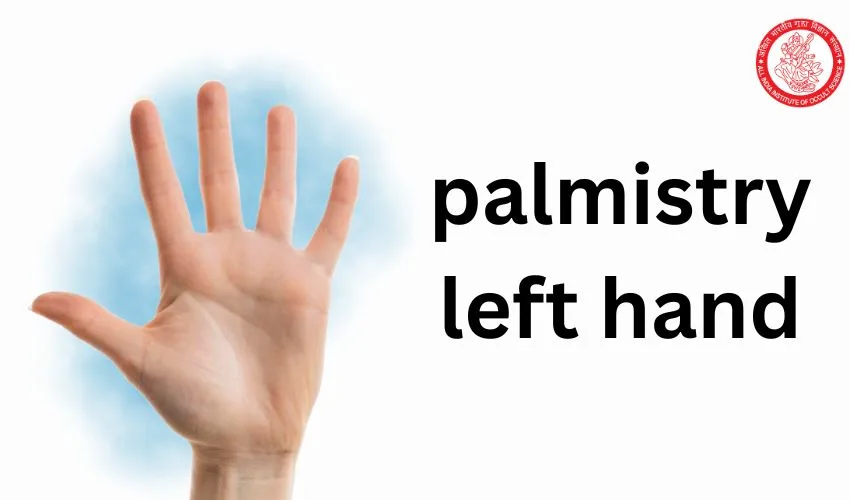
You are roaming with a story in your hand. Not in ink. Not in fate carved by gods. But in skin and lines and little intersections. The Palmistry left hand is commonly referred to as the passive hand in palmistry. The hand of inheritance.
When one enquires about palmistry left or right hand, he is actually enquiring about something so simple: What was I born with, and what have I done with it? The first question is answered by the left hand.
Palmistry Left Hand vs. Right Hand
The palmistry right hand or left hand debate is as old as palmistry itself. Palm reading or chiromancy was based on Indian astrology and ancient traveling customs that traversed continents with caravans and campfires. It was not always about prediction. It was about character.
The non-dominant hand is the left hand Palmistry to most people. It is hereditary, unconscious, early possibility, and the initial design of your life. The right hand, which is the right hand in most, demonstrates how you moulded that plan by choice and action.
When you are a left handed person, the situation is different. The active hand is your dominant hand. The other is the passive one. Palmistry has nothing to say against habit. It observes what hand you act in the world.
At some point, certain customs insisted that men read the left and women the right. The majority of palmists today do not adhere to that rule. Gender does not alter the hand you hold to hold a tool or write a name. The action is demonstrated by the dominant hand. The non dominant hand demonstrates origin.
When a palmist makes a comparison of both hands and they show that there are major differences, then that is where the story becomes interesting. There is a faint line on the left and a strong line on the right indicating growth. The pattern on the right is broken and the one on the left is steady, which might indicate struggle or transformation. The distance between the two hands is the distance between the person you were and the person you have become.
The Left Hand, What the Left Hand Means
The left hand speaks of:
-
Inherited temperament
-
Natural weaknesses and strengths.
-
Emotional tendencies
-
Subconscious drives
-
The "hidden" self
It is commonly associated with the heart and with instinct. Not romance, but emotional plumbing. It is a mirror of the silent inner life, which precedes ambition and makes it sharp.
When you read the palmistry left hand, you are not questioning what someone will do as a job. What they are constructed of, you are inquiring. Now we look at the lines.
The Heart Line: The Electricity of Feeling
The palm is crossed over by the heart line. It is concerned with emotional living, attachment and romanticity. When it starts below the index finger, it implies that one is content in love.
When it starts below the middle finger, the individual might be guarding love, and might even seem selfish. When it begins in between the two, it usually signifies equilibrium and knowledge.
There is an open expression of a long, curving line of the heart. Feelings are not locked away. The straight, short one may imply moderation, even coldness to romance.
When emotions are touched by the line, they can be easily hurt. In case it is broken, it can be an indication of emotional trauma or turning points. Little dots in the line are customarily associated with sadness.
This line on the left hand indicates the way you are wired to feel. How you actually treat love in the world on the right.
The Head Line: The Mind at Work
The heart line passes below the head line. It controls thinking, communications and intellectual style. The head line is short indicating that the person likes action rather than theory.
There is a deep line, long, that points to focus and clarity. A sloping and curved line is an indication of creativity.In case it bends downwards, it is inclined towards imagination and literature. When it is bent upwards to the little finger, reason and business sense can rule.
The head line starting separately from the life line is an indication of independence and adventure. When discontinued, it may indicate the shifting interests or lack of consistency in the thinking.The head line on the left hand depicts natural learning style. How that intelligence is put to use on the right.
The Life Line: Not Years, Vitality
The life line curves around the thumb base. It is believed by many to predict lifespan. It does not. It is an expression of life, wellness, and significant changes. A long and deep life line is a sign of strength and endurance.
Short is not short life. It can imply that others have influenced it or it is a reserved nature. When it curves extensively, energy is high. When it is in proximity to the thumb, the individual might get fatigued.
Looking up is viewed as hopefulness. Forks downward as pessimism. Breaks imply abrupt change of life. Several life lines may signify additional energy. An injury or hospitalization has always been associated with a circle on the line. The left hand life line indicates your natural constitution. How life has treated that constitution on the right.
The Fate Line: The Tug of the External World
Not everyone has a fate line. In its presence it is vertical, along the middle of the palm. A long and straight line of fate indicates great impact of outer forces or definite direction.Breaks signify life transitions influenced by external factors. When it begins attached to the life line, it can be an indication of a self created way that starts at a young age.
When it originates at the bottom of the thumb and crosses the life line, it is an indication of good support by the family and friends. No fate line at all? Conventional palmistry interprets this as a comfortable but nothing special life. The fate line does indicate the degree of external pressure or support at birth in palmistry left hand readings.
The Elemental Frame: The Shape of the Hand
The shape precedes the lines.
Earth Hands: Broad, square palms. Thick skin. Palm length is equal to finger length. These are hands that imply utility, duty, and obstinate power. Earth hands like people like the real. They build, fix, and hold.
Air Hands: Long fingered square or rectangular palms. They are talkative, critical, and occasionally nervous. Air hands live in ideas. They question and debate.
Water Hands: Long palms and long fingers. Flexible and fine. Imaginative, impulsive, sensitive. Often introverted. They move quietly, but deeply.
Fire Hands: Palm fingers, shorter and rectangular. Daring, passionate, careless. They make decisions and then think.
The left hand displays the elemental frame that you were born with. The right demonstrates the way that element has burnt, flowed, moved, or solidified.
Visit For More Details : palmistry Course
So Which Hand Should You Read?
In palmistry left or right hand, keep in mind:
Your blueprint is shown by the non-dominant hand. Your lived life is shown in the dominating hand. You read both in order to know a person. You compare. You seek conflict between promise and reality.
Palm reading is practiced around the world. It lacks scientific evidence of palm lines to psychology or fate Line. It is a tradition, a means of reflection, a kind of writing on skin. Look at your left hand now. See the heart line. The head line. The life line. Notice their depth. Their curves. Their breaks. Then look at your right. The distinction between the two is the distance you have covered.
FAQs
Q1. What is the meaning of the left hand in palmistry left hand reading?
Ans. The hand of origin is the left hand. It is a demonstration of what you were born with. To most men, it is customary to believe that the left hand contains what is inherited and the right one what life has created. In the case of women, this is reversed in some of the older schools.
Q2. Why do contemporary palmists use the left hand of people?
Ans. The majority of palmists today interpret the non dominant hand to be the blueprint and the dominant one to be the result. One shows potential. The other shows proof.
Q3. Is palmistry ever a hundred percent right?
Ans. No. Palmistry is not science. It is a symbolic art. It is not fate that shapes the lines, but muscle and movement. It has an insight to some people. Others see only skin. It must be assumed as reflection, not as fact.
Q4. Which hand is more important in palmistry, left or right hand?
Ans. Both matter. The starting point is indicated in the passive hand. The hand that is in action indicates the road followed.
Q5. Which hand is read for a man?
Ans. Read the hand of dominance to action and achievement. Read the other of hereditary nature. Compare them. That is where the truth sits.